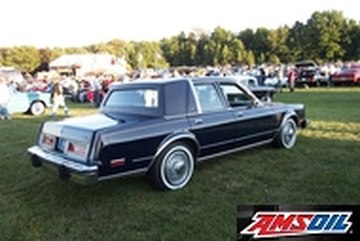
Engine Lubrication and Maintenance for the 1981 Chrysler LEBARON 3.7L
Maintaining a vehicle from the early 1980s requires a shift in perspective compared to modern automotive care. For owners of a 1981 Chrysler LEBARON equipped with the 3.7L engine, routine service is not just about following a schedule; it is about active monitoring and understanding how aging components interact with various fluids. Proper lubrication management is a cornerstone of preserving the mechanical integrity of this vehicle over the long term.
Monitoring Fluid Integrity and Condition
One of the most effective ways to monitor the health of the 3.7L engine is through regular observation of the lubricant itself. While many owners focus solely on the volume of oil, the physical condition of the fluid can provide significant clues regarding engine operation. When performing a routine check, it is useful to observe the color and consistency of the oil.
If the oil appears excessively dark or contains visible particulate matter, it may indicate that the lubricant has undergone significant thermal stress or that the filtration process requires attention. Furthermore, any unusual odor emanating from the crankcase area should be investigated. While certain smells can be associated with various operating conditions, a distinct change in the scent of the oil warrants a closer look at the engine's overall state. If you notice any signs of fluid seepage around the engine block or near sealing surfaces, these should be addressed promptly to prevent larger issues down the road.
Practical Inspection Priorities for Aging Engines
As vehicles age, certain components naturally become more susceptible to environmental and operational wear. For a 1981 Chrysler LEBARON, maintenance should prioritize the condition of materials that are subject to heat cycles and chemical exposure. Rather than assuming parts need replacement based solely on the calendar, an owner can make more informed decisions by inspecting the current state of the vehicle.
When conducting a visual inspection, consider the following areas:
- Sealing Surfaces: Inspect various gaskets and seals for signs of age-related seepage. Even if a leak is not currently active, evidence of dried residue can indicate where a seal may be losing its effectiveness.
- Hoses and Connections: If present, check the flexibility and surface integrity of hoses. Look for signs of cracking, hardening, or swelling, which can indicate that the material is reaching the end of its service life.
- Electrical Integrity: Inspect accessible wiring and electrical connectors for signs of corrosion or brittle insulation. Ensuring clean connections helps maintain stable engine performance.
- Drive Components: If equipped, examine any accessible drive belts for signs of glazing, fraying, or surface cracking. A belt that shows significant wear can lead to unexpected service interruptions.
By focusing on these areas during routine oil changes or general inspections, an owner can transition from reactive repairs to a more proactive maintenance strategy.
Managing Long-Term Engine Health
For those committed to the long-term ownership of this Chrysler, establishing a baseline of service history is invaluable. If you have recently acquired the vehicle and do not have access to previous maintenance records, your first priority should be to document its current state. This involves noting the current condition of all fluids, the presence of any minor leaks, and the general responsiveness of the engine.
Once a baseline is established, you can more easily identify deviations from the norm. For example, if you notice that the vehicle requires more frequent oil top-offs than it did six months ago, this change in consumption provides a measurable data point for troubleshooting. Keeping a detailed log of every oil change, filter replacement, and observed inspection result allows you to distinguish between normal aging and potential mechanical issues that require professional diagnosis.
Understanding Lubricant Functions
The engine oil in the 3.7L serves several vital roles beyond simple lubrication. It acts as a primary medium for heat management by absorbing thermal energy from various internal components and carrying it away to the oil pan. Additionally, modern lubricant formulations are designed to manage the accumulation of deposits and provide resistance against oxidation, which is the process where oil breaks down due to exposure to heat and oxygen.
When selecting a product, understanding these functions helps in choosing the right formulation for your specific needs. For instance, some high-mileage oil formulations contain additives intended for use in aging engines, including seal-conditioning additives that may help maintain the pliability of certain components. While these are not a substitute for repairing active leaks, they represent a specialized approach to managing older engine architectures.
Identifying Potential Service Indicators
It is important to recognize that many symptoms observed during operation can have multiple underlying causes. An owner should remain observant but avoid jumping to conclusions without proper investigation. For example, if the engine exhibits unusual mechanical noises or if a warning indicator appears on the dashboard, these are signals that the vehicle requires attention rather than definitive proof of a specific component failure.
An oil-pressure warning light is a critical signal that demands immediate investigation to prevent potential damage. Similarly, changes in how the engine idles or responds to throttle inputs can sometimes be linked to the quality of the lubrication or the state of the crankcase ventilation system, if equipped. Always treat new or changing symptoms as an opportunity to perform a thorough inspection rather than assuming a single cause.
Buying Engine Oil for your 1981 Chrysler LEBARON 3.7L
When it is time to replenish the lubricant in your engine, accuracy in selection is paramount. To ensure the continued health of the 3.7L powerplant, you must match the engine oil to the application-specific viscosity information already displayed on this webpage. Do not rely on general automotive knowledge or assumptions based on the vehicle's age to determine the correct grade.
Before making a purchase, carefully check the product labeling to ensure it meets the necessary quality standards and certifications for your needs. Depending on your specific maintenance goals, you may choose between conventional oil, synthetic blends, or full synthetic options. If your engine shows signs of higher mileage, you might consider formulations specifically designed with seal conditioners. Regardless of the type you select, always verify that the viscosity matches the requirements listed in the application data provided above for this exact 1981 Chrysler LEBARON.